Max Adapter Compression Fittings For All Your Plumbing Needs
Could one simple coupling shift the way you complete jobs and cut callbacks?
You’re looking for dependable connections that fit common pipe sizes without hassle. At Installation Parts Supply, you get 3 8 male compression fitting parts that make sealing and alignment easier so your installs look clean and hold up under pressure.
These couplings suit many applications: sewer drainage, gravity flow lines, and quick repair work on iron, plastic, or steel pipe. Their built-in rubber sealing gasket design helps resist shear forces and assists with pipe alignment to create a tight, serviceable joint.
Documented specs like temperature range, nominal diameter fit, and vibration recommendations help you plan each job and select compatible valves and accessories fast.
Shop confidently at Installation Parts Supply for authentic parts, fast shipping, and friendly support so you can get back to work with fewer surprises.
Installation Parts Supply: Your Source for Reliable Compression Connections
Why these fittings are a good choice for quick, leak-resistant hookups
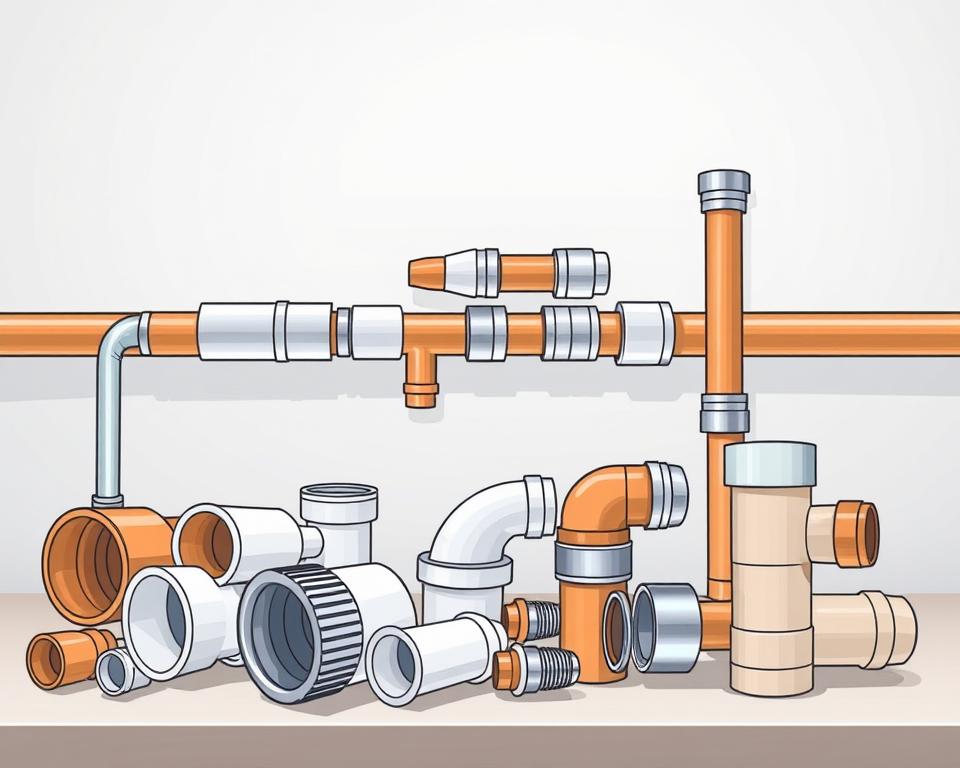
Choose components that provide consistent pipe alignment and a secure sealing gasket without needing extra tools. This delivers fast, serviceable connections suited to under-sink hook-ups, appliance lines, and light sewer repair tasks.
The product range includes options that are compatible with copper, plastic, and certain steel components. Materials like 304 series stainless and other stainless steel parts improve corrosion resistance in wet applications.
- With basic hand tools and proper torque guidance, you can assemble a tight mechanical seal.
- Serviceable joints let you disassemble for maintenance without solder or glue.
- They work well for potable water, gravity flow, and many sewer drainage uses, but you should avoid high-vibration or high-temperature areas.
- With nationwide stock and helpful support, you can match the right coupling and secure parts fast.
| Material | Best Applications | Key Benefit |
|---|---|---|
| 304 series stainless | Potable water and light sewer work | High corrosion resistance |
| Brass body | Fixture lines and appliance connections | Pliable, easier to install in cold conditions |
| Ductile iron / cast iron | Sewer repair and gravity flow lines | Durable under burial and heavy loads |
| Plastic (with insert) | Low-pressure lines | Lightweight, avoid shear forces |
Max Adapter Compression Fittings: Key Features, Specs, and Performance
You get clear, measurable specs so you can select the right coupling for every job confidently, without guesswork.
You’re working with brass bodies built for copper, aluminum, and thermoplastic pipe. When using plastic tubing, you should add the correct insert to maintain tube support and secure a proper seal.
Temperature range runs from -65°F to +250°F (-53°C to +121°C). That wide window covers cold basements and warmer mechanical rooms while staying within rated pressure limits.
Materials and Construction
Brass construction is paired with rubber sealing components to provide shear resistance and reliable sealing. Series stainless steel parts, including 304 series stainless, are available for corrosion-prone installations.
Operating parameters
These couplings are made for low- to medium-pressure liquid lines. They are not recommended for steel tubing or gaseous media. Vibration resistance is fair; use a long nut when you need extra resistance to movement.
Tolerances and Standards
Machining holds +/- .02″ tolerance and meets ASA, ASME, and SAE requirements. Light Pattern (“L”) versions change thread length but remain interchangeable with full pattern parts.
- Not lead free; they’re intended for plumbing and light industrial work such as sewer repair and routine coupling swaps.
- Always inspect tube temperature ratings so components remain within the fitting’s specified envelope.
- Avoid excessive movement to protect ferrule grip and extend rubber seal life.
| Specification | Spec Value | Notes | Recommended Use |
|---|---|---|---|
| Material Options | Brass or 304 series stainless options | Rubber seal and securing cage available | Copper, aluminum, thermoplastic pipe |
| Temperature Range | -65°F to +250°F | Refer to tubing temp for max pressure | Cold water and warm mechanical rooms |
| Dimensional Tolerance | +/- .02″ | ASA / ASME / SAE conformance | Precise alignments, repeatable torque |
| Application Limits | No steel tubing and no gaseous media | Fair vibration resistance; use long nut for extra protection | Low- to medium-pressure liquid applications |
Installation Parts Supply stocks these spec-driven parts so you can meet jobsite requirements with confidence and fewer surprises.
Pipe Compatibility, Applications, and Installation Notes
Checking material compatibility before you cut tubing saves time and reduces the chance of leaks later on.
These couplings work with copper, aluminum, and thermoplastic tubing. When using plastic tube, add the correct insert to support the wall and preserve the seal.
These parts, built for low- to medium-pressure liquid lines, suit fixture supplies, appliance hookups, and light sewer repair jobs. Because they are not rated for gaseous media or steel tubing, avoid those uses to stay within safe limits.
Installation Tips
- Cut tubing square and deburr lightly so the ferrule seats evenly.
- Keep the tube axis aligned with the body and start the nut by hand to prevent cross-threading.
- Tighten gradually to the recommended turn-of-nut and check again after pressurizing.
- For higher vibration situations, choose a long nut and support nearby runs to reduce movement.
- Maintain clearance for future service so the nut, ferrule, and cage are accessible for inspection or repair.
| Tube Material | Best Use | Notes/Comments |
|---|---|---|
| Copper / Aluminum | Fixture and appliance lines | Straightforward installs; good seal with proper torque |
| Thermoplastic | Low-pressure water runs | Requires insert to support the tube wall |
| Steel | Not recommended | Avoid using; select couplings rated specifically for steel tubing instead |
Count on Installation Parts Supply to provide the correct inserts, long nuts, and accessory parts you need for a smooth install. By following a simple checklist—verify tube material, add an insert for plastic, align, tighten to spec, and recheck—you can cut callbacks and keep jobs running on time.
Pricing, Availability, and Related Solutions
Having clear pricing and fast availability helps you plan materials and labor with more confidence.
Certain manufacturers require retailers to adhere to a Minimum Advertised Price (MAP) rule. If an item falls under MAP, the lowest price becomes visible after you place the product in your cart. You’re free to view that price without obligation and remove the item whenever you like.
How pricing works online
MAP policies mean the final low price for qualifying items is revealed at checkout. This protects manufacturer programs while still giving you transparency. If you’re comparing prices, simply add to cart to see the real offer, then remove it if you’re not ready.
Related options and cost-saving combos
You can often save money by choosing bundled parts or purpose-built valves instead of buying separate pieces.
- At $12.92 each, the John Guest Angle Stop Max Adapter Valve (SKU PPASV-6) is commonly less expensive than buying a separate coupling plus valve.
- Bundles reduce the number of parts, speed under-sink installs, and lower return risk by matching compatible components such as cage inserts and clamping system pieces.
- With fast fulfillment and clear inventory, you can line up pipe, steel parts, and sewer repair components to keep jobs on track.
| Option | Primary Use | Notes |
|---|---|---|
| Single coupling | Custom assemblies and unique builds | Flexible but may need extra parts |
| Angle stop valve (PPASV-6) | Fixture shutoff | $12.92; often lower total cost than separate valve and coupling |
| Bundle (Valve + Insert) | Under-sink installations | Speeds work; fewer callbacks |
Choose Installation Parts Supply for competitive prices, fast turnaround, and bundled solutions that make your cart simpler to manage.
Conclusion
When each joint matters, selecting the right part and support speeds installs and cuts callbacks.
By selecting the correct product and following installation guidance, you’re choosing a practical, code-conscious option for liquid supply lines. Match copper, aluminum, or thermoplastic tubing (with an insert for plastic) to achieve a reliable seal that’s easy to service later.
Steer clear of steel tubing and any gaseous media so installations stay safe and inside specification. Use recommended valves and the proper cage and accessories to boost vibration resistance and long-term performance for sewer and fixture work.
Installation Parts Supply can help you select the correct Max Adapter Compression Fittings and arrange fast shipping across the United States. If you need help, support is available from selection through checkout so you can finish clean, on time, and on budget.
FAQ
What pipe types are suitable for these compression connectors?
These compression connectors work with copper, aluminum, and many thermoplastic pipes, provided you use a proper insert for softer plastics. They are not recommended for standard steel tubing or for any pressurized gaseous media. For cast iron, ductile iron, asbestos cement, and PVC sewers, check the product’s nominal diameter and sealing gasket compatibility before installing.
Which materials are used in these connectors?
These connectors use brass bodies with stainless steel components in critical areas and a pliable rubber sealing gasket for leak resistance. Some variants feature 304 series stainless steel parts along with a high-impact securing cage or clamping system to add strength and durability.
How do these connectors handle vibration and shear forces?
They’re designed to withstand vibration and moderate shear forces thanks to the steel click-lock clamping and a cast iron or ductile iron rated cage in heavy-duty models. The rubber sealing gasket maintains a tight seal while the clamping system absorbs movement to protect joints from loosening.
Are these fittings suitable for cold-weather installation?
Yes. The rubber gasket remains pliable for easier install cold conditions, and stainless steel components resist embrittlement. For best results, follow torque guidelines and allow extra time for alignment when temperatures drop very low.
What are the operating pressure and temperature limits?
Typical operating parameters include low-to-medium pressure plumbing and temperature ranges of about -65°F to +250°F for compatible materials. Always confirm the specific model’s rating, particularly when working close to the upper temperature or pressure limits.
Do these connectors meet industry standards?
Many meet ASA/ASME/SAE tolerances with tight dimensional control (often +/- .02). Look for model certifications and material listings to ensure compliance with your project’s codes.
Are pipe inserts necessary when using plastic pipe?
Yes. For most thermoplastic pipes, an insert is recommended to prevent deformation and maintain proper sealing. By maintaining alignment, the insert lowers the risk of leaks or failures when the line is pressurized.
What should I do to keep pipe alignment correct during installation?
Clean and square the pipe ends, use a guide or insert for plastics, and engage the click-lock clamping evenly. With the securing cage and high-impact clamping system, alignment is maintained as you tighten to the recommended torque values.
Can I use these connectors on sewer repair and gravity flow lines?
Yes, certain models are suitable for sewer repair and gravity flow drainage provided they’re sized correctly for the nominal diameter and the rubber sealing gasket is compatible with wastewater. Verify compatibility with iron, cast iron, and asbestos cement pipe types if they’re in the run.
How are pricing and availability handled for online orders?
Because pricing often follows MAP policy, the lowest available price usually appears in your cart at checkout. Installation Parts Supply and similar vendors list related options such as angle stop valves and cost-saving combos; compare these to find the best solution for your budget and job.
What related options should I consider for cost savings?
Look for bundled valve-and-coupling combos, angle stop adapters, and multi-pack offers. Choosing stainless steel click-lock models only in areas where they’re necessary can save money while still putting steel components where strength matters most.
What is the expected life of the rubber sealing gasket in sewer or drainage service?
Service life depends on exposure to chemicals, abrasion, and temperature. In typical sewer and gravity-flow applications, a high-quality rubber gasket paired with stainless steel components can last many years. Be sure to inspect periodically and replace the gasket if you observe hardening or cracking.