Septic Services of LA emphasizes that pumping your septic tank every about 3–5 years, based on the number of people in your home and usage, is vital. Periodic inspections can help identify possible problems sooner, reducing the chance of system failures that can trigger property damage.
More information about septic pumping

Visit online about septic pumping

Read the details about septic pumping
Once you learn the factors that affect pumping frequency and keeping a schedule, homeowners can preserve their property, the environment, and public health. This guide will provide professional tips on setting up an best-fit pumping schedule matched to your household’s needs.
Key Takeaways
- Routine septic tank pumping reduces the risk of high-cost repairs and system failures.
- The frequency of pumping is based on household size and usage patterns.
- Septic Services of LA offers specialist guidance on developing a tailor-made pumping schedule.
- Smart maintenance safeguards your property, the environment, and public health.
- Routine inspections help spot potential issues before they become serious problems.
Understanding Your Septic System
Learning the details of your septic system is key to its proper maintenance and longevity. A standard septic system consists of a septic tank, a distribution box, and a drain field. The septic tank is a watertight container that holds wastewater from your home, where bacteria digest solid waste.
The distribution box then directs the liquid waste to the drain field, which is built from perforated pipes that disperse wastewater over the soil, allowing it to percolate naturally. Understanding your system’s size, location, and age is important for effective maintenance. Septic Services of LA can help homeowners pinpoint their septic system components if they’re unsure.
Knowing your septic system is the first step toward creating a effective maintenance routine and avoiding common misconceptions that can cause neglect.
Determining Your Ideal Septic Tank Pumping Schedule
The frequency of septic tank pumping is not a universal solution; it depends on multiple factors. While the general recommendation is to pump your septic tank every three to five years, this timeframe may need tweaks based on individual circumstances.
Several key factors influence how often you should pump your septic tank. Household size is a significant factor, as more people producing waste means more frequent pumping may be necessary. For instance, a single-person household might only need to pump their septic tank every about 5–7 years, whereas a larger family might need to do it every around 2–3 years.
The size of your septic tank also plays a key role. Larger tanks can hold more waste, potentially lowering the frequency of pumping needed. However, ongoing maintenance is still necessary regardless of tank size.
Water usage patterns, including laundry habits, shower length, and appliance efficiency, also impact your septic system’s pumping schedule. Being aware of water usage can help lengthen the time between pumpings.
At Septic Services of LA, we can help create a tailor-made pumping schedule based on an inspection of your system and evaluation of your household needs. Reach out to us to schedule a consultation and ensure your septic system runs smoothly.
Signs Your Septic Tank Needs Immediate Pumping
Noticing the signs that indicate your septic tank needs immediate pumping can save you from costly repairs. While regular pumping schedules are essential, being vigilant for warning signs is crucial.
Slow Draining Fixtures and Backups
If your sinks, showers, or toilets are draining more slowly than normal or backing up, it’s a sign that your septic tank is close to full and needs pumping.
Bad smells inside your home or around the yard, especially near the drain field, are clear indicators of septic issues that shouldn’t be ignored.
Standing Water or Soggy Areas
Standing water or wet spots in your yard, particularly over the septic tank or drain field, suggest that the system is overloaded and needs immediate pumping.
Extra-Green Grass Over The Drain Field
While a healthy lawn is desirable, unusually green or fast-growing grass over the drain field may indicate wastewater leakage from a full septic tank. If you notice any of these signs, contact Septic Services of LA immediately.
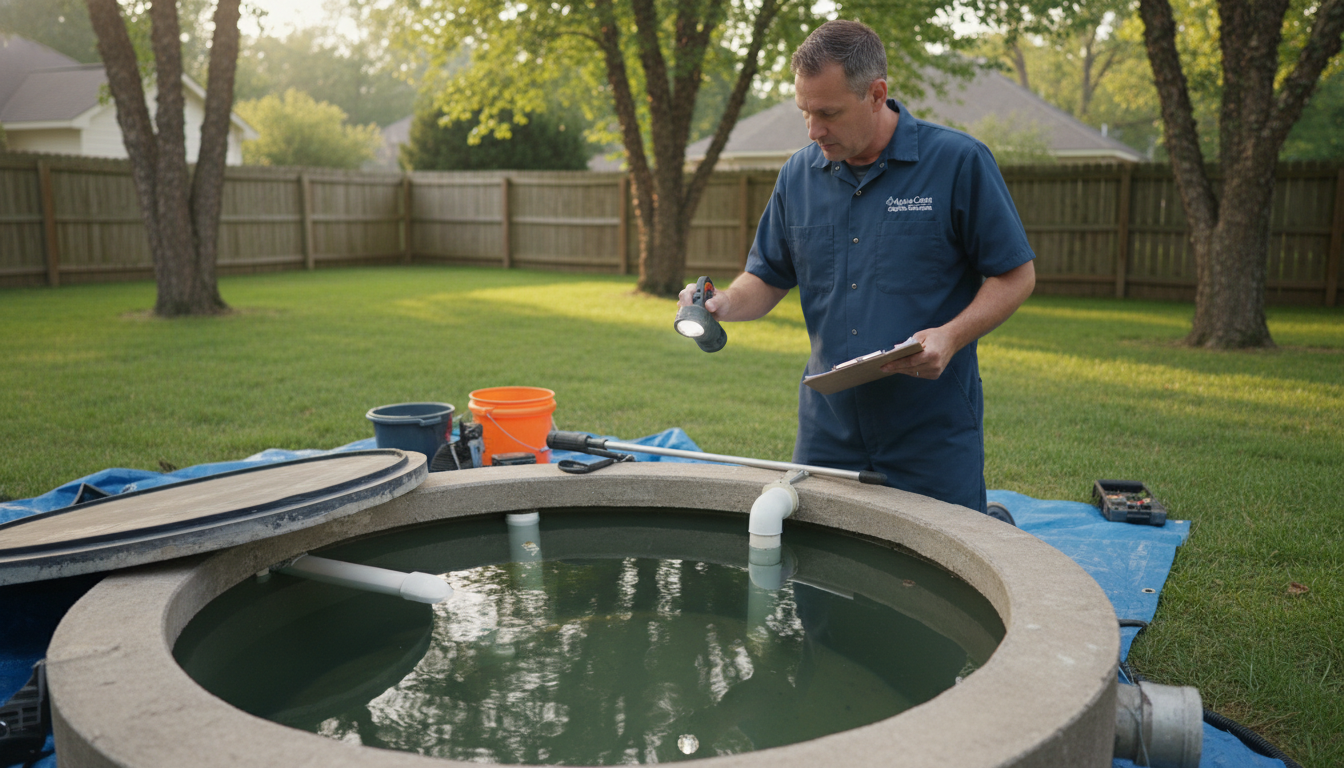
The Septic Tank Pumping Process
A well-maintained septic system relies heavily on regular pumping, a process that Septic Services of LA focuses on. The pumping process begins with finding and exposing the septic tank access points. Professionals use specialized equipment, including vacuum trucks and inspection tools, to ensure thorough cleaning.
The septic tank pumping service involves removing both liquid waste and solid sludge from the tank. This process typically takes about 30–60 minutes for residential tanks, depending on their size and condition. After pumping, the waste is disposed of at treatment facilities. During the process, professionals also inspect the tank for cracks, leaks, or other likely issues.
Septic Services of LA provides a comprehensive service that includes pumping, inspection, and guidance for future maintenance, ensuring your septic system operates efficiently.
How To Extend The Life Of Your Septic System
Good maintenance can dramatically extend the life of your septic system, saving you money in the long run. A well-maintained septic system can operate effectively for decades. To achieve this, it’s essential to understand the factors that affect your septic system’s lifespan.
Consistent pumping is a key aspect of septic system maintenance. The frequency of pumping depends on several factors, including household size and water usage. For instance, a bigger family will require more frequent pumping. Additionally, being mindful of what goes down your drains is crucial. Avoid pouring grease, non-biodegradable items, and harsh chemicals down the drain, as these can disrupt your septic system.
Water conservation is also key. Installing low-flow fixtures and fixing leaks promptly can reduce the strain on your septic system. Furthermore, routine inspections by a professional service like Septic Services of LA can help identify possible issues before they worsen, preventing high-cost repairs. By following these guidelines and maintaining a healthy septic system, you can extend its lifespan from the typical twenty-five to thirty years to 40+ years.
Professional Septic Services By Septic Services Of LA
With years of experience, Septic Services of LA provides full septic services that ensure your system’s longevity. As the premier septic service provider in the Los Angeles area, we offer a wide range of services including pumping, inspections, repairs, and maintenance for septic systems of all sizes.
Our team creates tailored maintenance plans based on each household’s specific needs and system characteristics. We emphasize the importance of working with licensed, insured professionals rather than attempting DIY septic maintenance, which can lead to high-cost problems.
At Septic Services of LA, we’re committed to environmentally responsible waste disposal and sustainable septic system practices. Our competitive pricing and service packages make routine maintenance affordable for all homeowners. We use advanced technology for accurate inspections and fast pumping services.
To schedule an appointment, simply contact us. We serve Los Angeles and surrounding communities, providing prompt and dependable service to keep your septic system running efficiently.
Conclusion
Consistent septic tank pumping is critical for preventing system failures and expensive repairs. To maintain a healthy septic system, it’s important to establish a pumping schedule built around your household size and water usage. By doing so, you’ll preserve your property value and contribute to environmental health. Partner with Septic Services of LA for specialist guidance and service. Our experts will help you create a personalized maintenance plan, ensuring your septic system runs reliably. Get in touch today to schedule an inspection or pumping service and protect your home’s septic system.
Related: Read The Details About Septic Pumping Costs And What Impacts Pricing